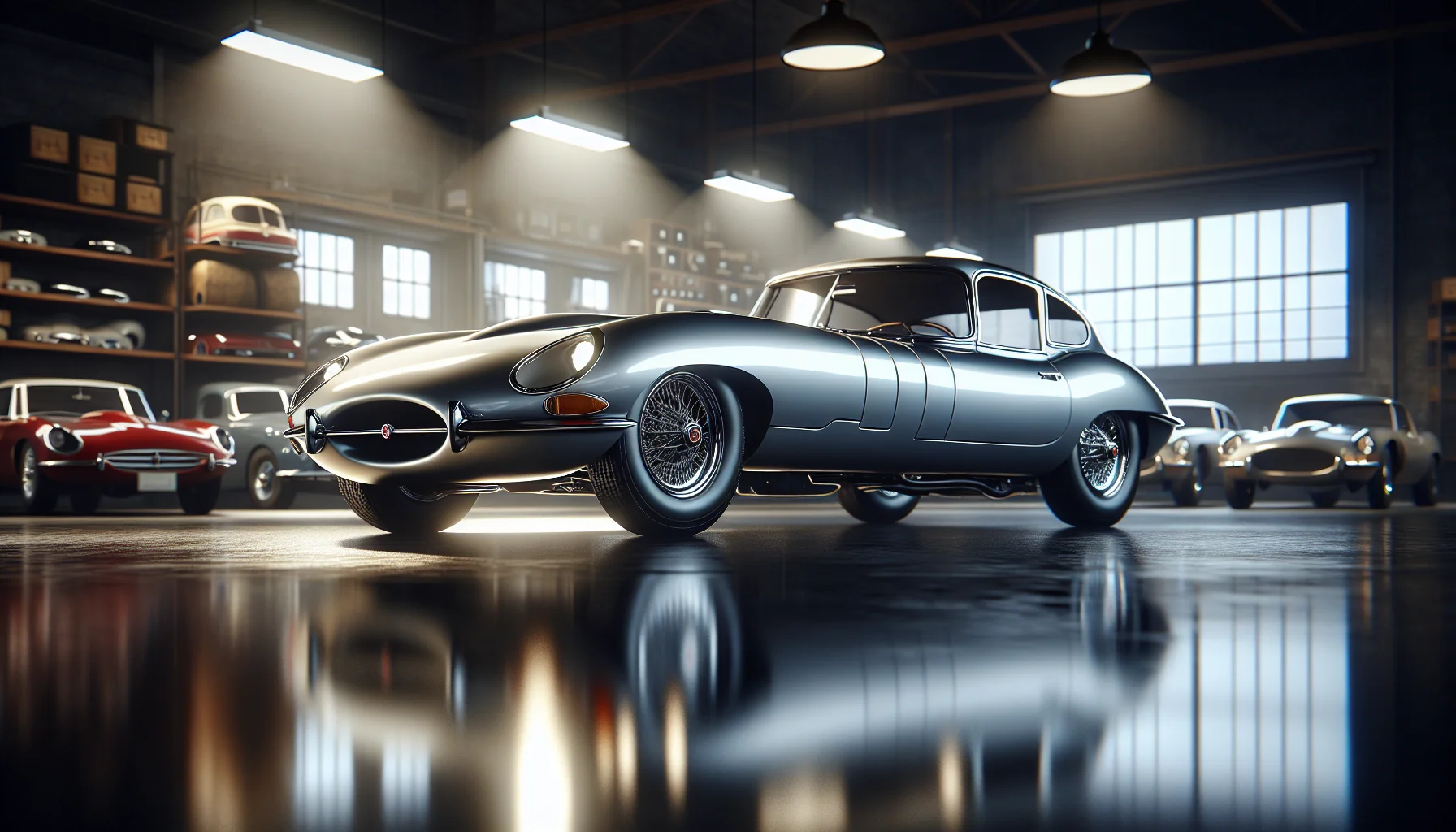
High-Yield Classic Car Auctions: commit in self-propelled History
Table of Contents
Discover the benefits of investing in high-yield classic car auctions. Learn how to diversify your portfolio with vintage cars that appreciate over time.
`` ` html
The allure of classic cars has captivated both investors and enthusiasts, making high-yield classic car auctions lucrative ventures. Really, invest in vintage machine isn't just about heat; it ’ s a strategical move in alternative investment. Also, these auctions offering a platform for rare car collections, presenting unique opportunity to diversify portfolios with collectibles that often realize over time.
The Appeal of Classic car as Investments
Classic car aren't only a blend of beauty and story but also potentiality financial opportunities. The truth is: unlike some investments, classic auto offer tangible returns and the joy of ownership. The right time of origin vehicle can significantly appreciate, especially model with historical significance or limited production runs. For example, invest in classic Porsches or Ferrari cars ofttimes yields big returns due to their iconic status and enduring popularity.
Strategies for invest in time of origin Cars
Investing in vintage machine requires a strategic approach. Basically, to maximize your investing, consider implementing these key strategies:
- Research and Analysis: apprehension marketplace trends and conducting thorough research on potency investments is crucial.
- Condition Assessment: Always evaluate the car 's condition carefully, as restoration costs can wallop profitability.
- Diversification: Diversifying your collection across different makes and framework can mitigate risks associated with marketplace fluctuations.
Employing these strategies can upgrade the potentiality for returns and provide a more stable investment experience.
The Process of Participating in High-Yield Classic Car Auctions
Participating in high-yield classic car auction can be both exciting and profitable. To navigate this process effectively, contemplate the following stairs:
- Research the market place tendency: Understand which classic cars are in demand and their voltage value.
- Attend Pre-Auction Events: Gain insights and evaluate the cars before the auction day.
- Set a Budget: Determine your maximum bid to avoid overspending during the auction.
By pursual these carefully considered steps, you can refine your chances of successfully buying a classic car at an auction that meets your investing goals. Knowledge and preparation are key to devising the most out of your auction experience.
Key Trends in the Rare Car Market
The classic car market place has experienced various tendency determine investment strategy. Generally, currently, there's substantial demand for time of origin car known for their exclusivity and public presentation. Think about it this way: really, supercars and exotic vehicle, once thought to depreciate quickly, are now recognized for their long-term investment potentiality. This shift is due in part to a growing appreciation for the craftsmanship and technology of past eras.
High-Yield Classic Car auction: What to Expect
Understanding what to expect at high-yield classic car auction can prepare you for a successful experience. Auctions oft feature rare models that can significantly enhance a accumulation or investment portfolio. Definitely, expect to see classic auto from prestigious brands and other collectible auto that have gained recognition over time.
Key categories of interest include:
- Classic Porsches: know for their engineering and designing, these car often increase in value due to their cult followers and limited availability.
- Ferrari Investment machine: With a rich account and racing pedigree, Ferraris are considered blue-chip investment in the classic car market.
- Future Classic auto: Identifying model with potential to become classics is key to maximizing returns.
Understanding these categories helps investors make informed decisions, increasing the likelihood of high returns.
Factors influence Classic Car Values
Several factors can influence the value of classic cars at auction. Without question, rarity is a primary driver, as restrain production numbers can significantly boost a vehicle 's worth. Certainly, to boot, the car 's stipulation, account, and provenance play crucial roles. The reality is: the thing is, cars with a documented story of possession, especially those linked to celebrities or major case, much fetch higher prices.
Auto Market course Impacting Classic Car Investments
The broader auto marketplace trend have a direct impact on classic car investments. Usually, for instance, as more consumers and manufacturers focus on electric vehicles, there's a renewed involvement in preserving and investing in internal combustion engine classic. Additionally, economic element such as inflation and involvement rates can affect the classic car market by influencing buying power and investment strategies.
Identifying the Best Cars to put In
When determining the best machine to invest in, ponder framework with a history of appreciating value and a strong enthusiast followers. Of course, vehicles from renowned manufacturer such as Ferrari and Porsche ofttimes top this list. Although, it 's essential to look beyond brand names to identify future classic cars based on design, performance, and historical importance.
Below is a comparison of element to consider when identify high-potential classic car investments:
Car investing comparing:
| Factor | Impact on Value | Example |
|---|---|---|
| Rarity | High | Ferrari 250 GTO |
| Condition | Moderate | Restored Aston Martin DB5 |
| Historical Significance | High | Porsche 911 Carrera RS |
Successful investing in classic cars combines passion with informed decision-making. Notably, by understanding market tendency, vehicle histories, and vendue dynamics, investors can pilot high-yield classic car auctions with confidence. This approach not only enhances fiscal return but also enriches the experience of owning a piece of automotive history.
`` `